


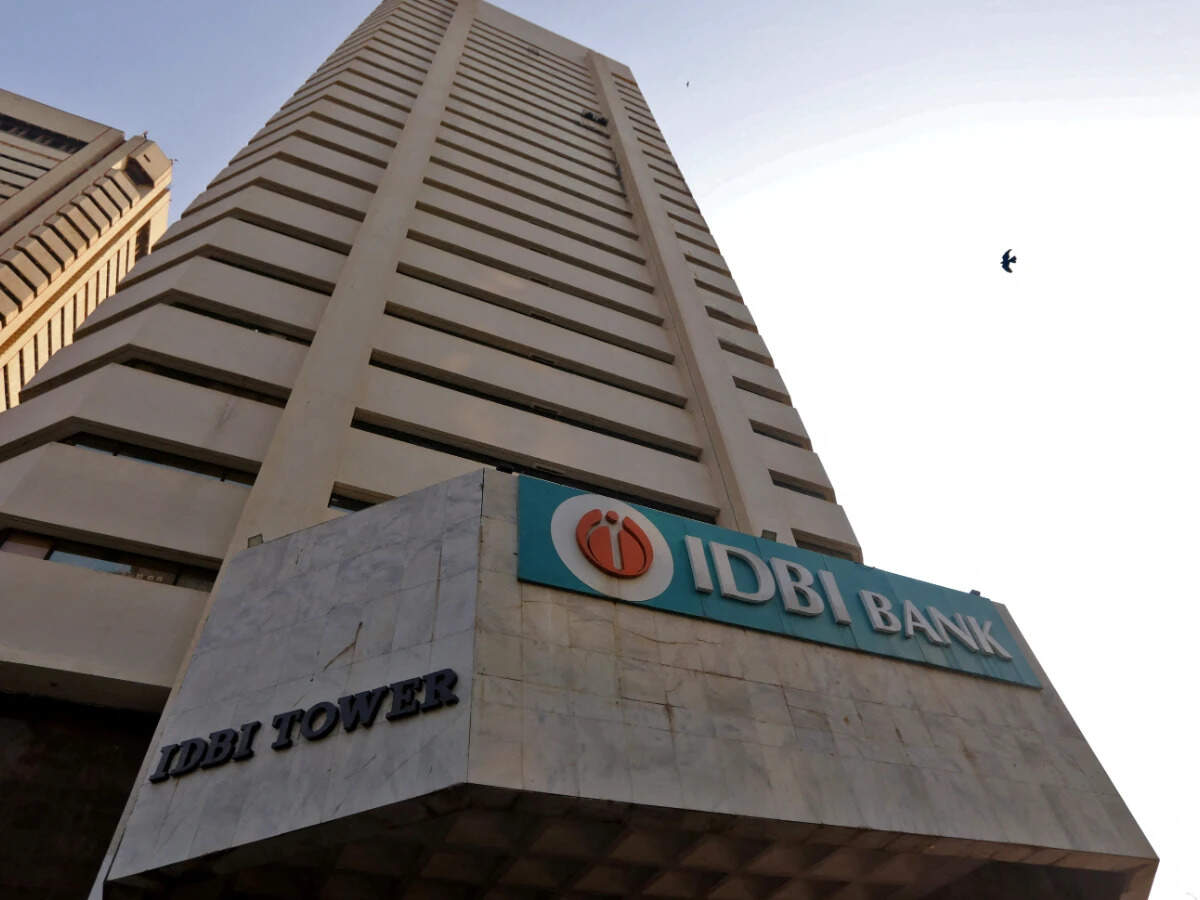
The deal is not merely about a change in ownership. It also marks the return of investor confidence in a bank once weighed down by bad loans and requiring substantial support to recover.
IDBI Bank: The Beginning
Twenty years after Independence, India wanted an institution that could finance its growing industrialisation, one that was different from commercial banks. After meticulous planning, the government established the Industrial Development Bank of India (IDBI) in 1964 with a mandate to focus on financing industries and contribute to India’s development.
IDBI started well and began growing aggressively after the liberalisation and financial reforms of the 1990s. It expanded its role and business segments quickly, though it was run like a quasi-government institution, with practices similar to those of a private bank. In 2004, IDBI transitioned into a commercial bank and became one of the strong lending pillars catering to India Inc. But the growth could not continue with the same vigour.
The transition from industrial development finance to commercial banking brought new opportunities, but it also exposed IDBI to the risks of conventional lending, particularly when large corporate borrowers began running into financial difficulties.
How Vijay Mallya and Kingfisher Crashed IDBI
When IDBI Bank was in a growth phase in the early 2000s, consortium banking became popular. Under this model, banks came together and lent to large corporations. Vijay Mallya’s Kingfisher Airlines was one of the most famous and fastest-growing companies at the time, and almost all public sector banks lent to it. While SBI had the largest exposure, IDBI was the third-largest lender, with PNB in second place, followed by several others.
But Vijay Mallya defaulted in 2017, and IDBI Bank’s balance sheet turned red. The bank sank into losses of more than Rs 5,000 crore in FY17, and the RBI placed it under the Prompt Corrective Action (PCA) framework in March 2017. Vigilance agencies also examined the bank’s lending decisions closely and found alleged irregularities. The CBI investigated the case and arrested four senior executives of the bank, including its managing director.
The loans given to Mallya remained under dispute. In 2019, the bank declared Mallya a wilful defaulter in connection with dues of over Rs 1,500 crore. Kingfisher Airlines was a major account that shredded IDBI Bank’s balance sheet.

However, Kingfisher was not the only reason for IDBI’s troubles. The bank’s wider accumulation of bad loans reflected the broader corporate lending crisis that impacted several Indian banks.
The government tried to find a buyer, but things did not go well, and no buyer could crack the deal. Later, the Life Insurance Corporation of India (LIC) acquired a controlling stake in IDBI in 2019 and helped save the bank by infusing capital.
IDBI Bank Today
Slowly and steadily, the bank moved forward. It got a breather when the RBI removed it from the PCA framework in 2021. The bank began expanding its business cautiously. In FY25, it registered a profit of Rs 7,515 crore. It worked hard to improve asset quality, control NPAs, focus on its core business and grow steadily. This turnaround certainly attracted buyers and encouraged them to bid.
The turnaround changed the nature of the investment proposition. Instead of buying a bank primarily associated with financial stress, a new owner gains access to an established banking franchise with an improved balance sheet and a profitable business.
Despite its past troubles, IDBI Bank is one of the oldest institutions in industrial banking, with considerable expertise. With a global partner, it may move ahead. But there will be some challenges, too.
IDBI – FairFax Deal Challenges
In my observation, there is a certain level of bureaucracy in every public sector bank. So, internal employees may not be happy, and dealing with them will not be easy for the new buyer. Employee churn is always a challenge after a merger. Currently, more than 19,000 people work at IDBI Bank.
Fairfax will have to balance its commercial objectives with employee concerns. Changes in work culture, accountability and performance expectations could be difficult to implement without disrupting operations or affecting employee morale.
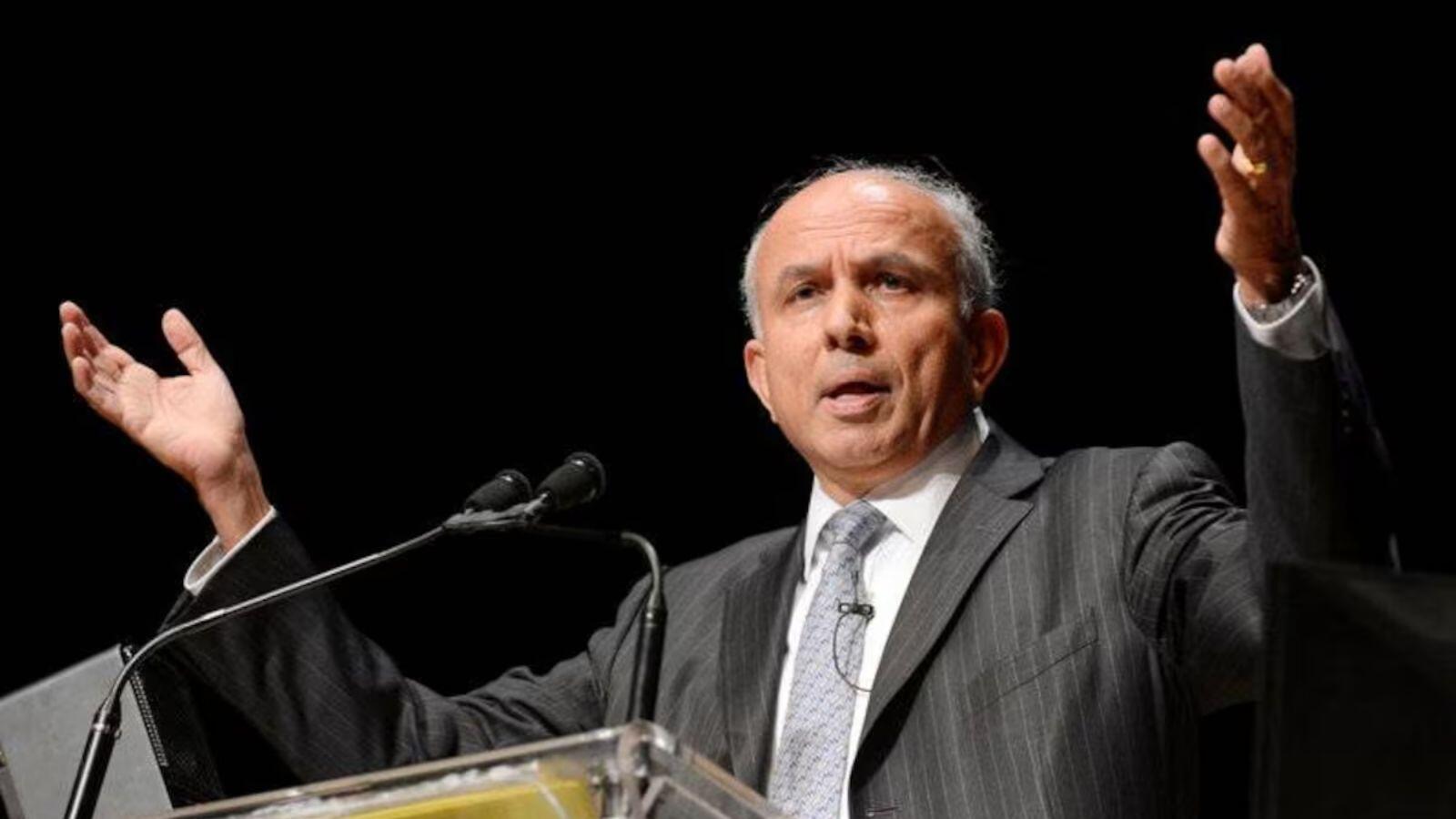
Prem Watsa-owned Fairfax already has a controlling stake in another Indian bank, CSB Bank. Now, there could be some structural overlap, which the group will have to address, perhaps through closer operational coordination. A merger, however, should not be assumed, as it would require separate regulatory approvals.
But the big benefit for Fairfax is that IDBI is a stable and growing bank with five subsidiaries and, more importantly, valuable real estate assets. So, looking over the Arabian Sea from the Cuff Parade, the Canadian giant will certainly smile at its acquisition.
The real test, however, will be whether Fairfax can turn IDBI’s recovery into sustained growth and shareholder value. The bank’s past shows how quickly aggressive lending can undermine an institution; its future will depend on maintaining credit discipline while expanding its business.