



Of the people, by the people, for the people, Abraham Lincoln.
There is one question that keeps recurring: Is this Gen Z protest, allegedly driven by “cockroaches”, as some claim, a genuine expression of public discontent or a politically orchestrated movement? While I am trying to make my own observations and verify the facts, I would like to examine one economic dimension of the issue.
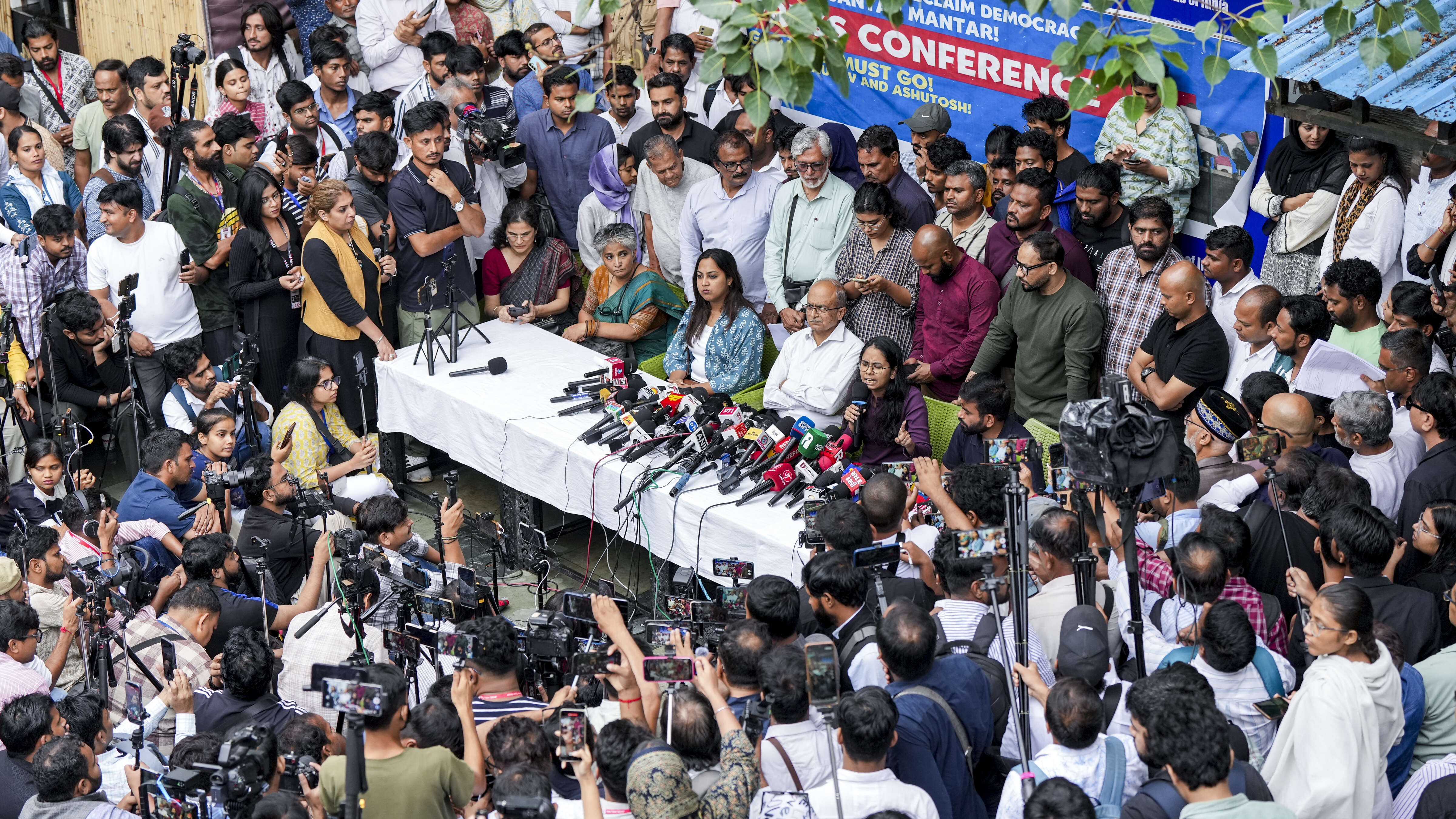
In the world of finance and economics, doves, hawks, bulls, bears and unicorns are familiar terms, but one term that rarely enters mainstream discourse is “cockroaches”. The cockroach theory is particularly relevant for companies when growth becomes elusive and survival becomes the overriding priority. I wrote an article on fintech companies adopting the cockroach theory two years ago.
But suddenly, “cockroaches” has emerged as a talking point following the protests in Delhi.
When large numbers of people take to the streets, it signals a degree of public discontent, particularly when a similar protest occurred a few weeks ago. The pertinent question is not merely whether the protests are politically motivated, but whether the economic anxieties underpinning them are genuine. Political mobilisation and authentic public grievances are not mutually exclusive.
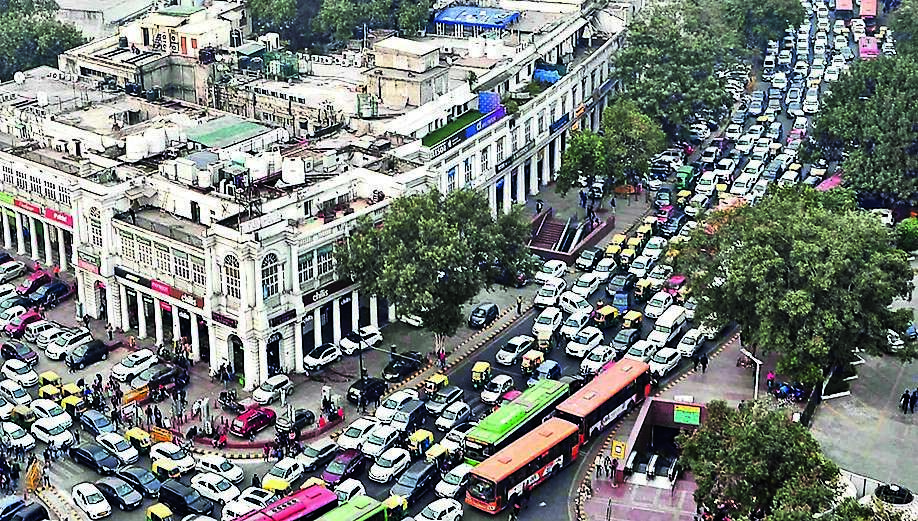
The Indian economy is currently telling two parallel stories. If one is true, the other can also have merit. If BKC, Mumbai’s financial hub, contributes significantly to India’s economic output while Asia’s largest slum lies just a few kilometres away, can we afford to ignore either reality? Both narratives are true, but people tend to privilege the one that most closely mirrors their lived experience. Let me begin with the more positive side.
What is positive for India?
On October 14, the Union Cabinet approved the sale of a 60.72 per cent stake in IDBI Bank to a Fairfax Financial Holdings subsidiary for Rs 52,878 crore. The transaction, subject to the remaining approvals and completion requirements, represents one of the most significant foreign investments in India’s financial sector and the largest cross-border banking deal involving an Indian bank. Despite recent market volatility and foreign equity outflows, India continues to attract strategic overseas investors.

India’s GDP grew by 7.8 per cent in the April-June quarter of FY27, while Crisil has projected growth of 7 per cent for the full financial year. This keeps India among the world’s fastest-growing major economies.
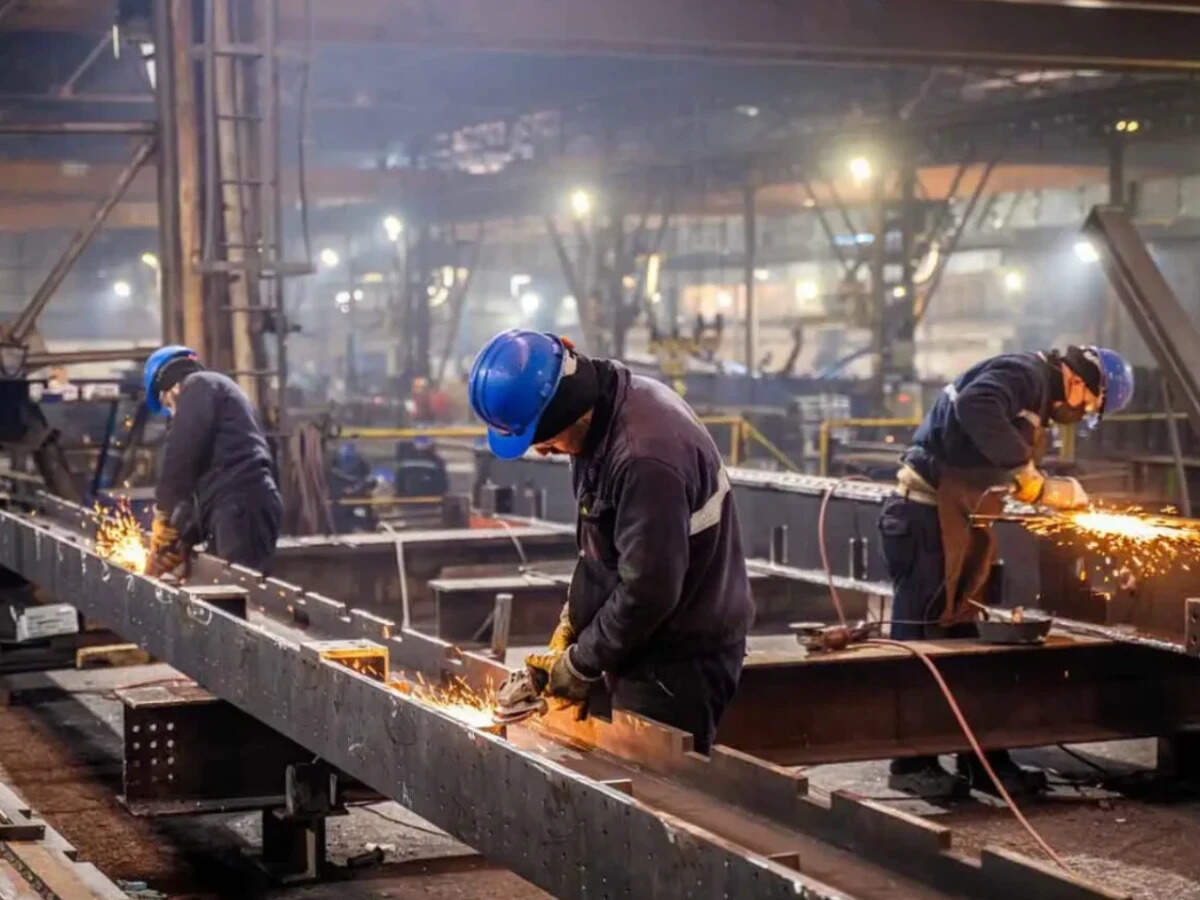
The Annual Survey of Industries for FY25 recorded 7.81 per cent growth in industrial output. Employment in the registered manufacturing sector rose 7.19 per cent, adding more than 14 lakh jobs and taking estimated employment above 2 crore.
The India-UK Comprehensive Economic and Trade Agreement came into force on July 15, 2026, opening up new opportunities for trade and investment. Other trade negotiations and economic partnerships could further strengthen India’s integration with global markets.
Urban India is also witnessing the expansion of the digital economy, with companies entering e-commerce and quick commerce. Tax collections, formal financial intermediation and the expansion of digital infrastructure remain important pillars of the country’s economic transformation.
These developments demonstrate that India’s growth story is not an illusion. Investment, industrial expansion, financial-sector transactions and the growth of new businesses are creating real economic value. The challenge is to ensure that this value translates into sufficiently broad-based employment and rising household incomes.
What is negative for India?
This week, Zoho co-founder Sridhar Vembu highlighted the uncertain business outlook for the software industry and the cost pressures associated with AI. Zoho has faced an extended hiring pause, reflecting concerns about costs and the changing technology landscape. This is a company-specific development, but it illustrates the uncertainty confronting parts of the technology sector.
I believe this is a consequential concern for India: employment generation in the IT sector may become increasingly challenging as companies adopt AI and reassess their workforce requirements.
India’s Chief Economic Adviser V. Anantha Nageswaran has also highlighted the implications of AI for the labour market. Around 25 per cent of India’s workforce is employed in occupations exposed to AI, although exposure does not automatically translate into job losses. The challenge is to ensure that workers, particularly young entrants to the labour market, acquire the skills needed to adapt.
Although formal employment data have shown growth, the numbers must be assessed against the millions of young people entering the workforce every year.
The problem is not simply whether the economy is expanding, but whether that expansion is translating into adequate and sustainable employment. GDP growth can remain buoyant even when the employment prospects of young people are deteriorating. This disconnect between macroeconomic performance and individual economic security could become a source of persistent disaffection.
India is also relying on consumption to sustain economic momentum. However, household borrowing deserves scrutiny. Credit can support spending and improve access to goods and services, but excessive dependence on debt can leave households vulnerable when incomes stagnate or interest rates rise. Claims of a broad decline in credit-card spending should be assessed against the latest RBI and industry data before being treated as an established trend.
Borrowing can bring future consumption into the present, but it cannot indefinitely compensate for sluggish income growth. If household indebtedness rises faster than incomes, consumption becomes vulnerable to higher interest rates, weakening job prospects and mounting repayment obligations. What appears to be buoyant demand today could become a constraint on household spending tomorrow.
Another concern is that India’s startup and fintech ecosystem has faced a more selective funding environment. Investors increasingly favour businesses that demonstrate revenue generation, sustainable unit economics or credible technological differentiation, including the commercial application of AI.

India has made progress in digital technology, but establishing a durable competitive advantage in advanced AI will require sustained investment in research, computing infrastructure, talent and commercial applications.
The macroeconomic environment is also becoming more challenging. The RBI raised the repo rate to 5.50 per cent in October, while retail inflation rose to 5.54 per cent in September. Wholesale inflation climbed to 11.39 per cent in September, reflecting substantial price pressures, particularly in petroleum and natural gas. These developments increase the risk of higher input costs feeding into businesses and households.
Climate change adds another layer of uncertainty. A weak monsoon and potential El Niño-related weather disruptions could intensify food-price pressures, although the magnitude of the impact remains uncertain.

For an economy in which a substantial section of the population remains vulnerable to food-price shocks, climate change is not merely an environmental concern. It is a macroeconomic risk that can undermine rural incomes, agricultural output, household purchasing power and, ultimately, aggregate demand.
Perhaps the most serious problem is the widening economic chasm between different sections of Indian society. While the country has created more millionaires and billionaires, many poorer households continue to struggle to improve their living standards.
The issue is not that India is creating wealth, but whether the dividends of that prosperity are spreading widely enough to improve employment opportunities, wages and economic security. An economy can generate substantial wealth while leaving a large section of its young population confronting uncertainty and diminishing expectations.
The positive and negative developments have therefore become two sides of the same coin: two faces of the same economy. This contradiction may help explain the growing discontent, and protests could intensify if the underlying concerns remain unresolved.
The challenge for the Indian economy
The concern is that economic disparity is becoming increasingly conspicuous in our own neighbourhoods. We do not even need to travel to the hinterlands to witness it. India is confronting a difficult battle within its own cities and communities.
The protesters at Jantar Mantar are very different from the people of Lutyens’ Delhi. Similarly, the people living around Shivaji Park in Mumbai may have very different economic circumstances from those who gather there to protest.
These contrasts underscore the growing disparity. Income levels and wealth have risen substantially for some sections of the population, while many others continue to depend on daily wages and struggle to secure stable employment.
When young people see conspicuous prosperity around them but cannot discern a credible pathway to achieving it themselves, frustration can harden into disillusionment.
We must therefore examine the causes of the protests alongside the protests themselves. We should not dismiss them as politically motivated without understanding the underlying grievances, just as we should not assume that every protest represents the views of an entire generation.
I believe that if young people have better things to do, including meaningful jobs and viable opportunities for entrepreneurship, they may be less inclined to spend their time protesting. But this should not be mistaken for a suggestion that protest is inherently unproductive. Peaceful dissent is itself a legitimate means of expressing discontent.
The larger responsibility lies with the economy and its policymakers: growth must translate into opportunity, and opportunity must be accessible to more than a privileged few.
Please share your feedback, suggestions if any. You can reach me on amol.dethe@timesinternet.in
(Editor’s note is a column written by Amol Dethe, Editor, ETCFO. Click here to read more of his articles exploring several buzzing topics).